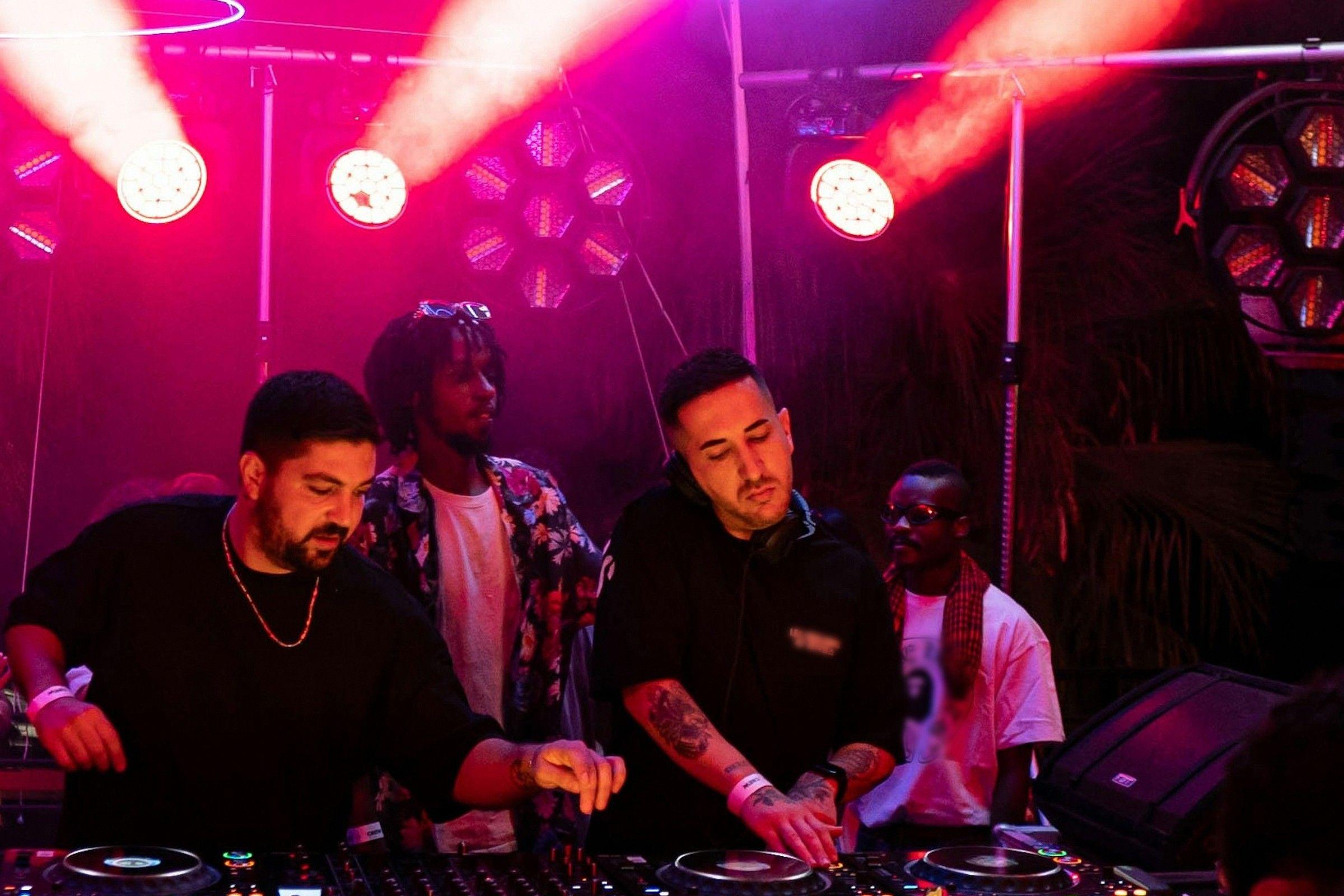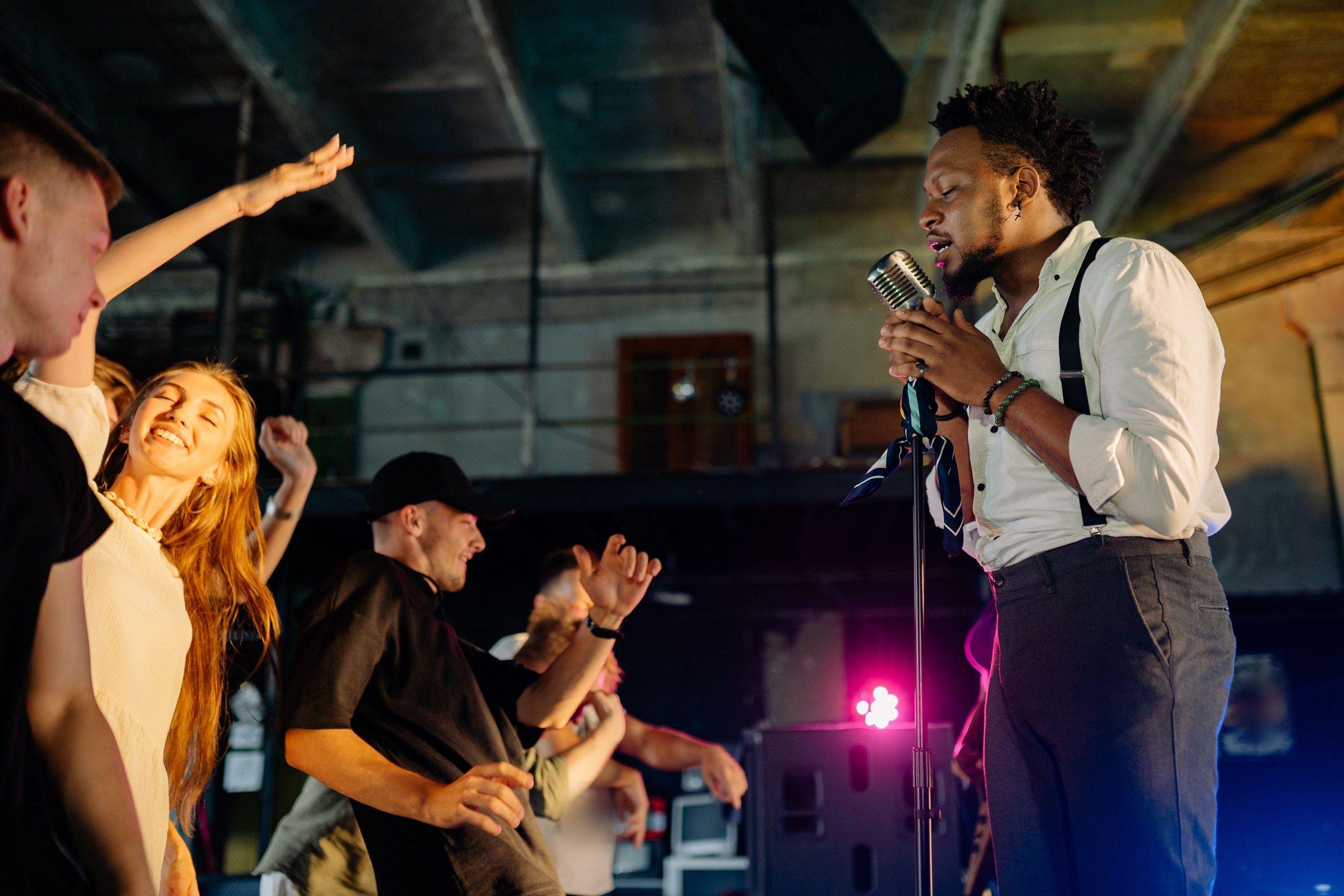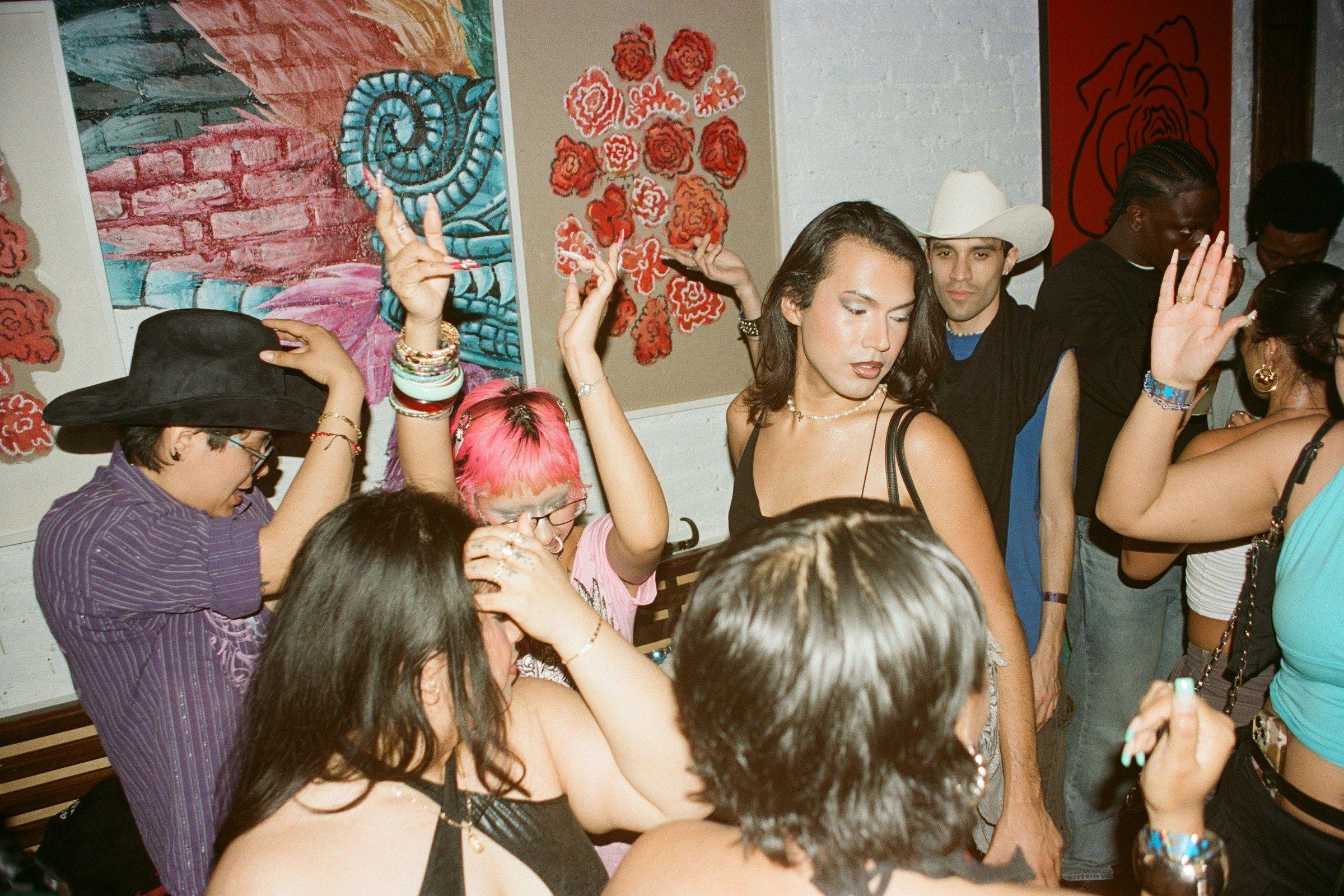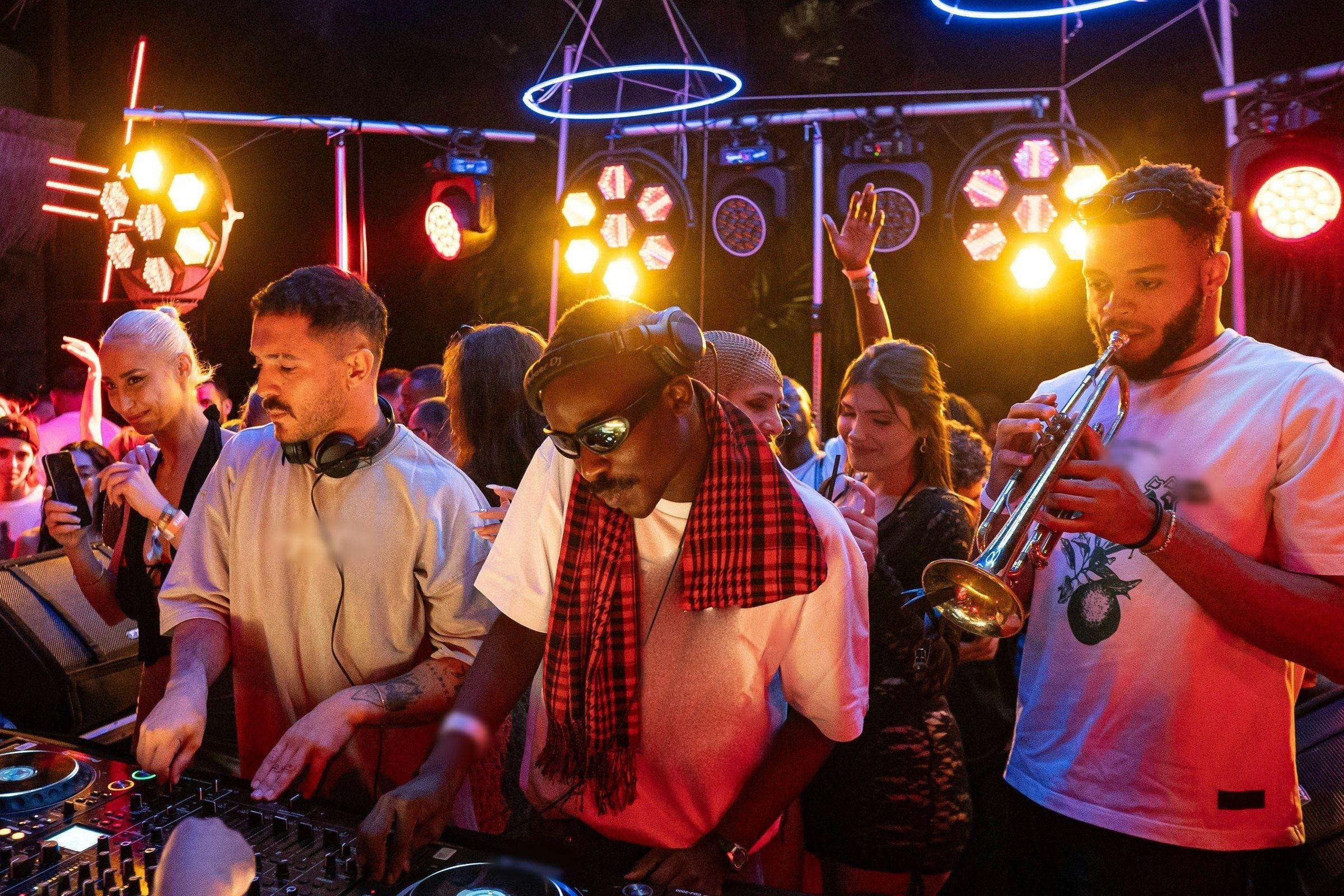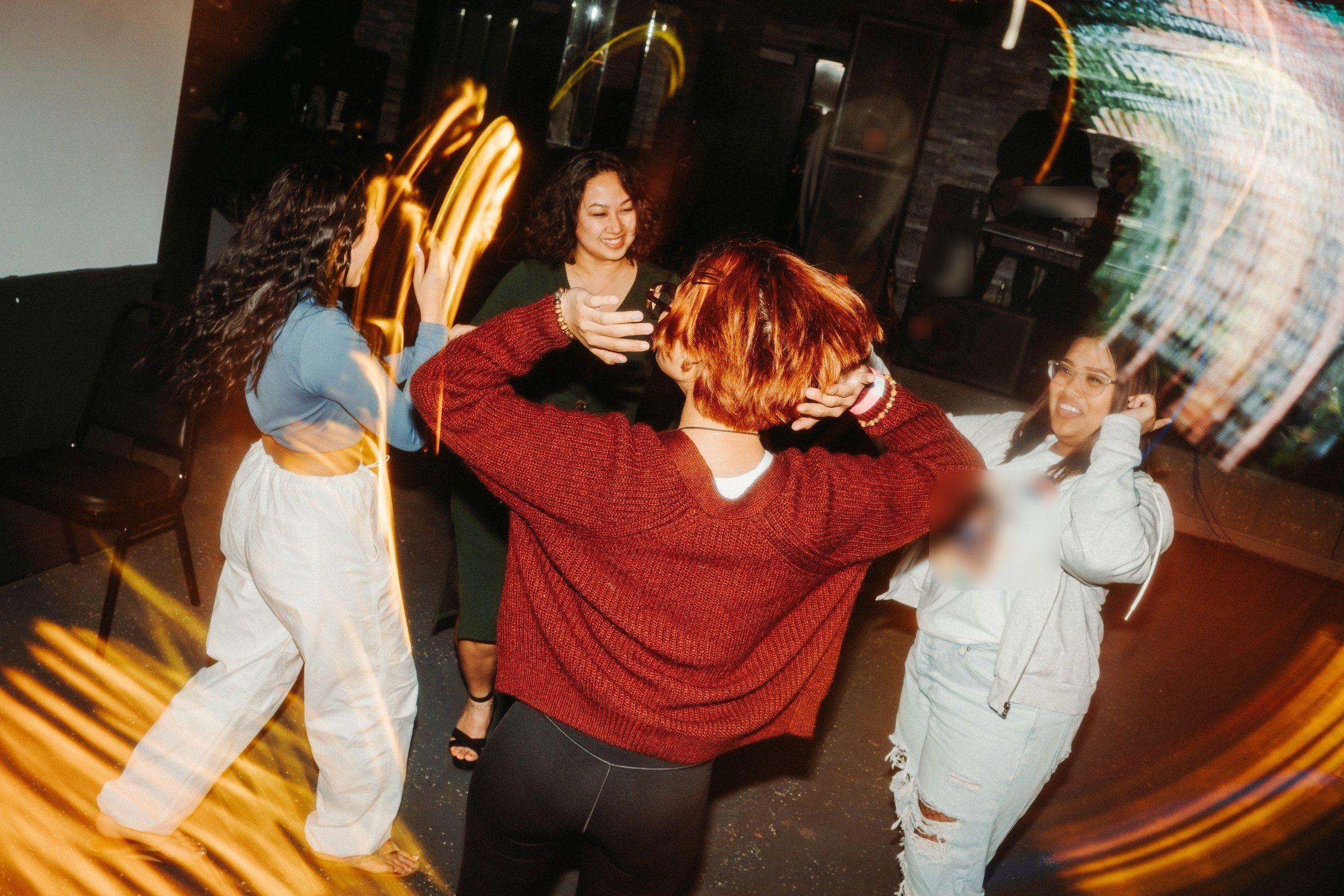
Short answer: start with what the venue already has. Dim the lights over the dance floor, keep the entrance, bar and exits lit, and add color in a few places instead of everywhere. Then change the lighting as the event goes, so the room looks different at doors, at the peak and at the last song.
Lighting changes how a room looks in photos, how comfortable guests are dancing and how easy the event is to run. The ideas below work for a small bar, a rented space or a club, and many of them use what the room already has.
Before you start: check the room
On your venue walkthrough, ask the venue to show you the lights the way they'd be during your event. Find out what can be dimmed, what colors are built in, and who runs the lights on the day. Ask before you bring haze, fog machines or anything with a flame. Some venues don't allow them, and haze can set off some fire alarms.
10 party lighting ideas
- Dim the house lights over the dance floor. A bright room can make many guests self-conscious about dancing. Our post on why nobody is dancing covers this and other quick fixes.
- Change the lights as the event goes. Keep it a little brighter at doors so guests can find their way and their friends, then bring it down as the floor fills. A lift for the last song tells the room the end is close. Add the light changes to your set times so whoever runs the lights knows when.
- Wash the walls in one or two colors. A few uplights pointed at the walls can change a plain room. Pick one or two colors that match your flyer or theme instead of every color at once.
- Light the DJ so people can see them. A small light on the booth from the front or side helps guests see who's playing and makes for better photos. Ask the DJ first in your artist advance, since a light pointed at their eyes or screen can get in the way.
- Save the moving lights for the peak. Moving lights or a mirror ball with a spotlight can lift the room when it's full. If they run from doors, guests may stop noticing them by the time the room is full.
- Use warm light where people talk. String lights or soft warm lamps work well at the bar, in a lounge corner or on a patio, where guests want to see each other's faces.
- Try neon or UV for a themed event. UV can make white clothes and some face paint glow, so it pairs well with a glow theme. Say it in your event description so guests can dress for it. Our party theme ideas have more on themes that suit the lighting.
- Set up one well-lit photo spot. Pick a wall or backdrop with soft, even light so guest photos look good. Those photos often end up on social media, and they give your photographer an easy spot for group shots. See our event photography checklist.
- Keep the door, bar, stairs and exits lit. Guests need to see steps and exits, bar staff need to see what they're doing, and your door team needs enough light to scan tickets. If the door is dark, our QR scanning fixes can help.
- Use strobe and haze with care. Keep strobe moments short, and list strobe lights and haze in your event description so guests who are sensitive to them can decide before they come. Our event accessibility checklist has a sample line you can use.
Put the lighting to work
- Describe it on your event page. Your event description is where guests learn what to expect, including the vibe, the music and any important entry details. A line like "dark room, color lights, glow theme" helps guests picture the event.
- Show it in your images. You can add photos from past events alongside your flyer when you create your event. A photo that shows your lighting can say more than a sentence.
- Brief your team. Put light changes and who runs them into your day-of staff briefing so nobody turns the house lights up at the wrong moment.
Ready to light up your next event? Create your event and add your lighting notes to the description.