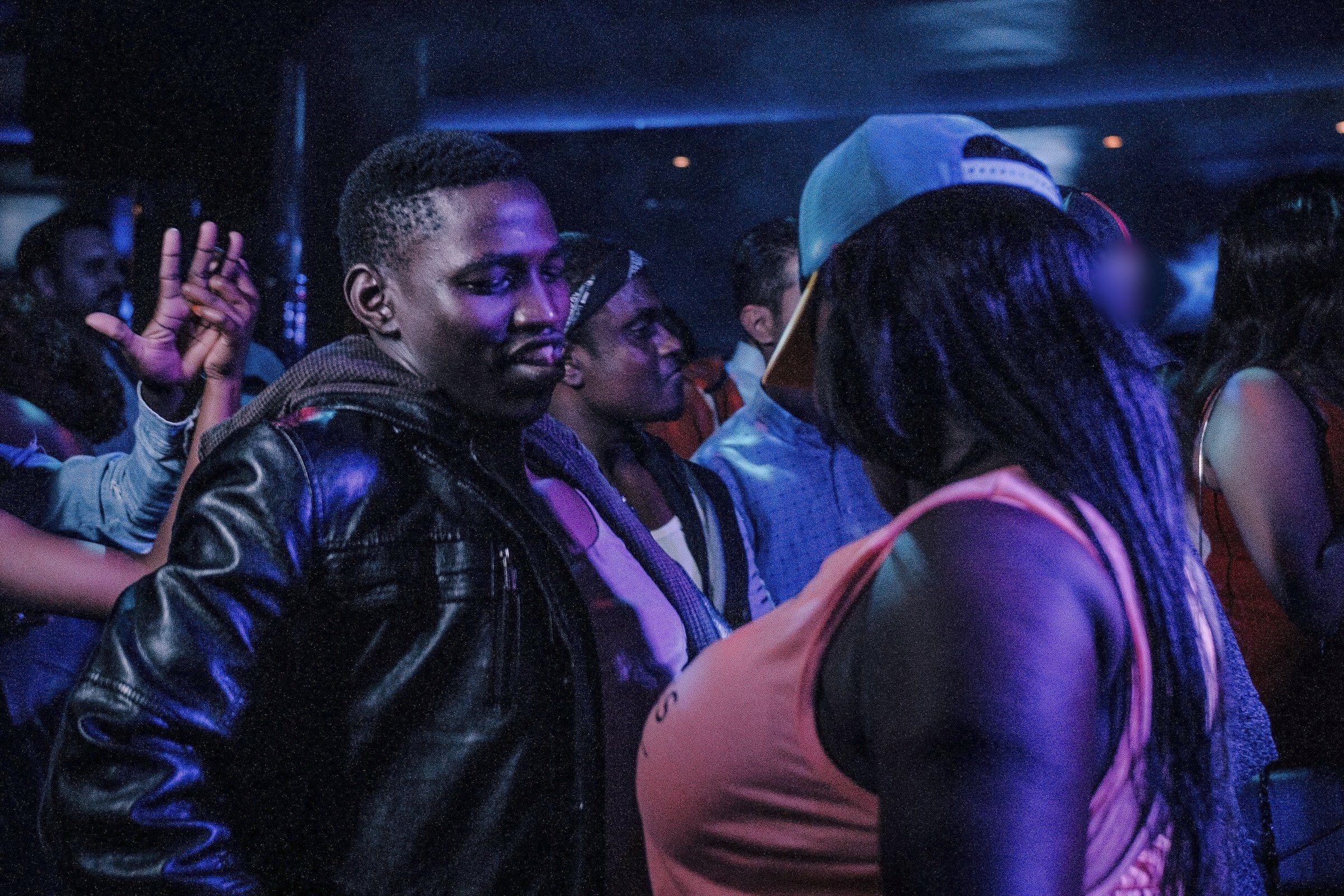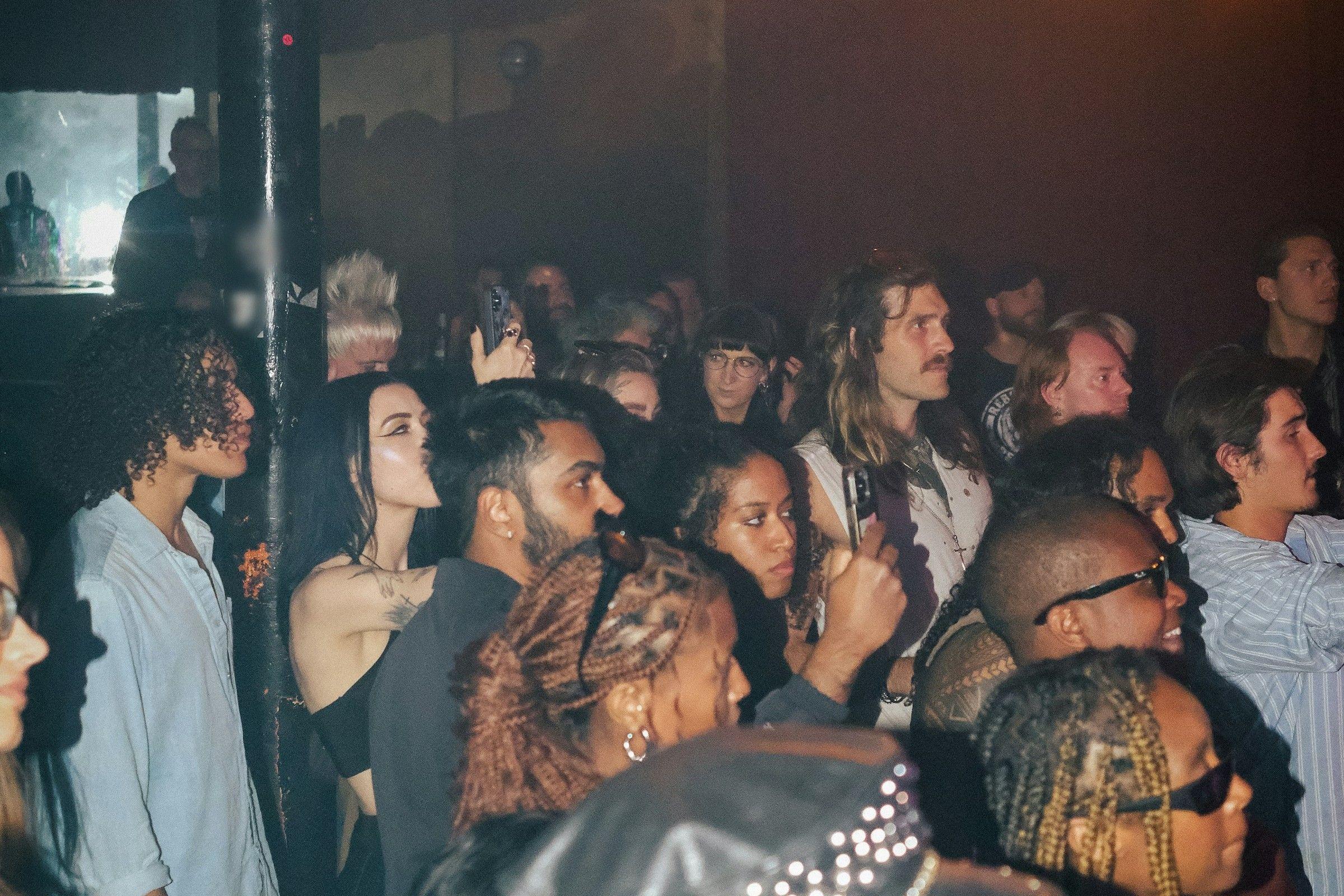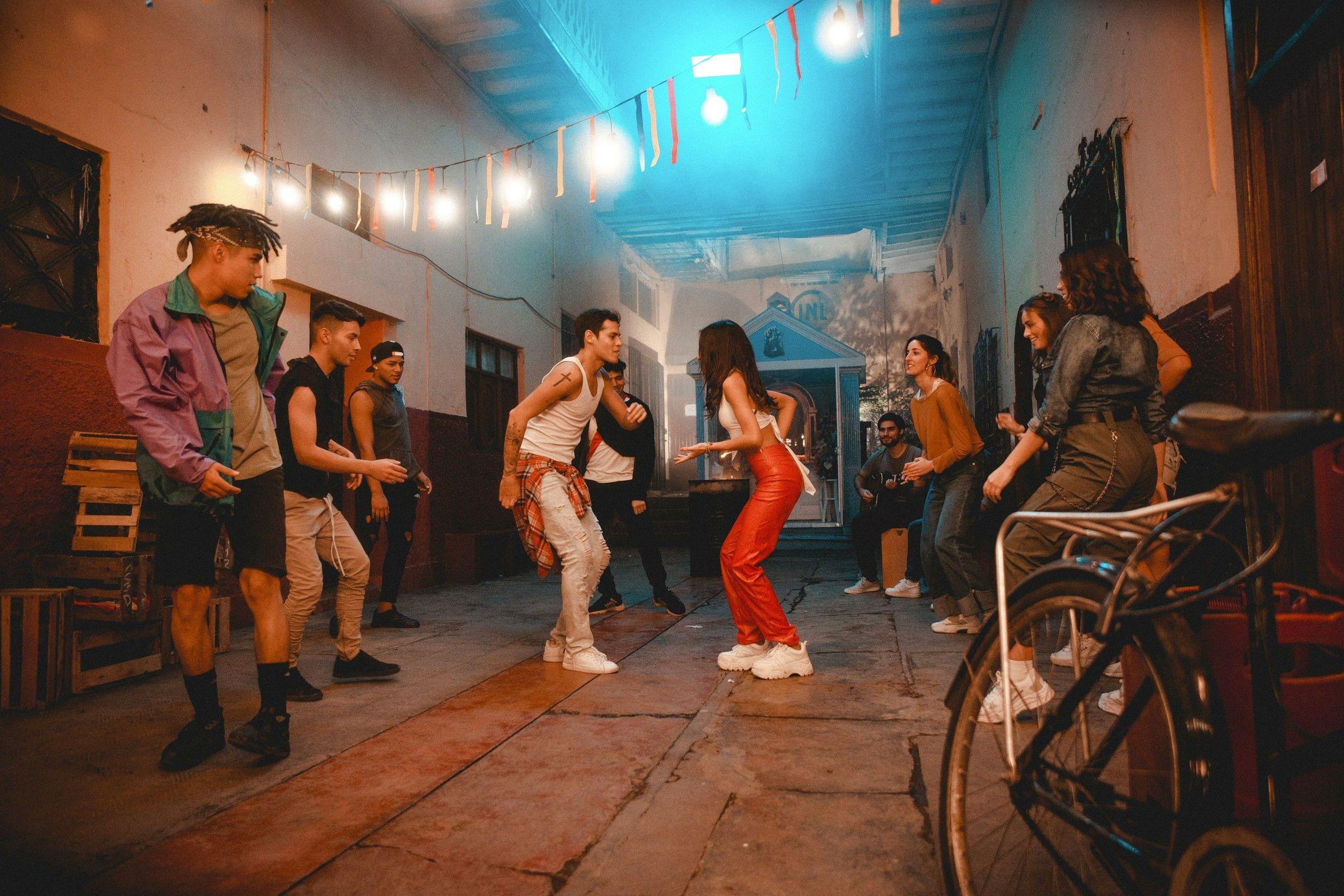
Short answer: throw a genre-specific party when you want to build a scene that keeps coming back, and throw an open format party when you want a big, mixed crowd of friends and friends of friends. If you can't decide, start with one sound and give the last hour to open format.
Both formats can fill a room. They fill it with different people, for different reasons, and they ask different things of your DJs. Here's how they compare so you can pick on purpose.
What each one means
An open format party plays across genres in one set or one event: hip-hop into Afrobeats into house into a 2000s throwback, whatever keeps the floor moving. The DJ reads the room and goes where it wants to go.
A genre-specific party commits to one sound or one scene: a house and techno party, an amapiano party, a reggaeton party, a drum and bass party. Every DJ on the lineup plays inside that lane, and the crowd comes for the sound as much as for the lineup.
Side by side
- Who it draws: open format pulls a wide mix of people who came for the friends and the energy. Genre-specific pulls people who came for the music and often know the DJs already.
- How easy it is to describe: genre-specific is easy to pitch in one line ("an amapiano party on the East Side"). Open format needs a different hook, like a theme, a host crew or a special guest, because "all genres" doesn't tell anyone much.
- Who comes back: a genre-specific party gives a scene a home, so the same faces tend to return. Open format crowds shift more from event to event.
- Your lineup: genre-specific needs DJs with depth in one sound. Open format needs DJs who can read a mixed room and switch lanes without clearing the floor.
- Room energy: open format can peak fast and stay broad. Genre-specific can build a longer, deeper arc, and the crowd usually stays with it through the slower stretches.
- Venue fit: bars and lounges with a walk-in crowd often lean open format. Clubs with a strong sound system and a scene-driven calendar often lean genre-specific. Ask the venue what already works on that day of the week.
When to throw a genre-specific party
- You want to turn one event into a monthly series with regulars.
- You're starting a collective and want a clear identity from day one.
- Your city has a scene that's underserved, and people keep asking where to hear that sound.
- Your DJs are known for one sound and their followers expect it.
- You want a crowd that will come out even when they don't know every name on the lineup.
When to throw an open format party
- It's a birthday, a launch, a college crowd or any event where guests come with mixed tastes.
- You're hosting at a bar or lounge that relies on walk-ins and people who didn't come for one sound.
- Your hook is something other than the music, like a theme guests dress up for, a holiday weekend or a host crew with a big following.
- Your DJs are strong crowd readers who move easily between styles.
- You're testing a new room or a new day of the week and want the widest possible draw.
The middle path: mix both on purpose
You don't have to pick one forever. A few setups that give you the best of both:
- Genre first, open format last: keep the main stretch in one sound, then let the closing DJ go open format for the final hour. Put the switch in your set times so DJs know what's expected.
- One sound per room: if the venue has two rooms, run your genre in the main room and open format in the second.
- A rotating guest sound: keep your core sound every time and invite one guest DJ from a neighboring scene each month.
- Open format with a lane: keep it open, but give it limits guests can count on, like "hip-hop, R&B and Afrobeats" or "2000s and 2010s only."
For DJs: make your lane easy to see
Many organizers look at a DJ's sound first. Say clearly whether you're an open format DJ or a specialist, and name your genres. Your artist profile has room for a description of your sound and style, plus genres and tags that help the right people discover you. Keep your DJ bio consistent with it so an organizer can tell in seconds whether you fit their party. If you're opening for a genre-specific headliner, these opening set tips help you warm the room without stepping on the main set.
Tell guests which one it is
Whichever format you choose, say it on the event page so the right people show up:
- Put the sound in the first line of your event description, along with the vibe, the performers and the schedule.
- For open format, list the styles you'll cover so "all genres" turns into something people can picture.
- Add your DJs to the lineup and link their artist profiles, so fans can tap through to their profiles and the artists' followers can discover your event.
- If you host as a community, add the hashtags and genres that match the events you throw.
Quick decision checklist
- What's the goal of this event: build a scene, or bring a big mixed group together?
- Does the venue already draw a crowd for one sound on this day of the week?
- Do your DJs specialize, or are they strong open format crowd readers?
- Can you describe the party in one line that makes the right people want to come?
- After the event, did the same faces come back? A short post-event survey will tell you what guests came for.
Ready to put your next party on the calendar? Create your event on Beatmatch, or set up your artist profile if you're a DJ.