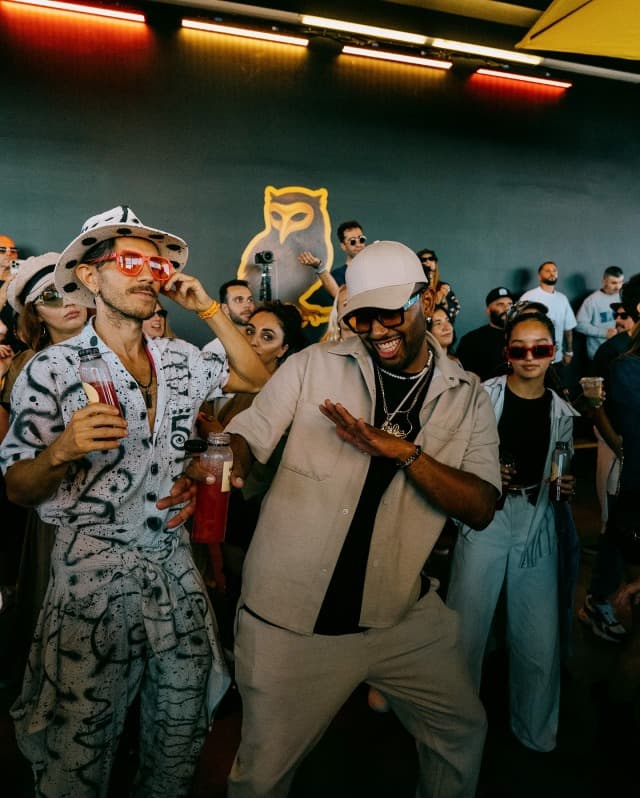
How to Book Artists That Actually Make People Show Up...
Posted a year ago

Posted a year ago
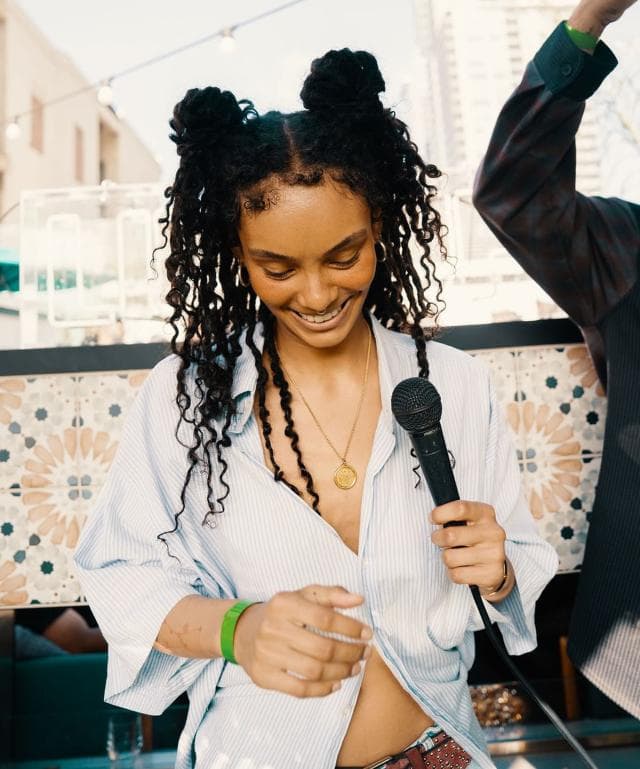
From hype to handshake—how to secure talent that moves a room and sells tickets.
Great events start with great energy. And while the lighting, venue, and crowd all play a role, few things shape the vibe of a night more than the artist on the lineup. Whether you’re booking a buzzy DJ, an underground vocalist, or a rising rap crew, locking in the right talent can make the difference between a packed dance floor and a ghost town.
But booking artists—especially when you’re just starting out—can feel like a black box. Who do you reach out to? What do you offer? And how do you avoid getting ghosted?
Let’s break it down.
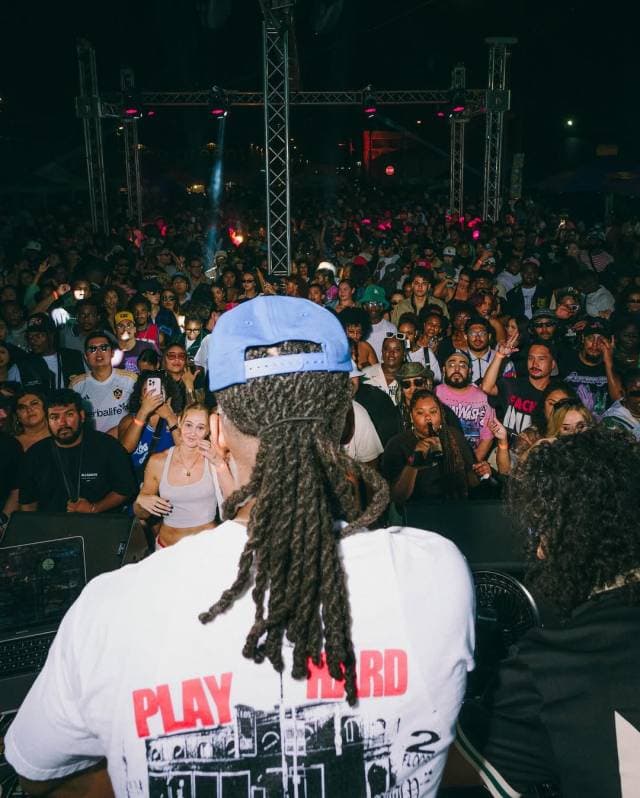
Before sliding into any DMs, be real with yourself about what kind of event you’re throwing. Is this a high-energy warehouse party? A rooftop sunset set? A small, vibey listening session?
Different artists bring different energy—and draw different crowds. Don’t book based on clout. Book based on fit. Look at your ideal audience: What would get them to stop scrolling and buy a ticket?
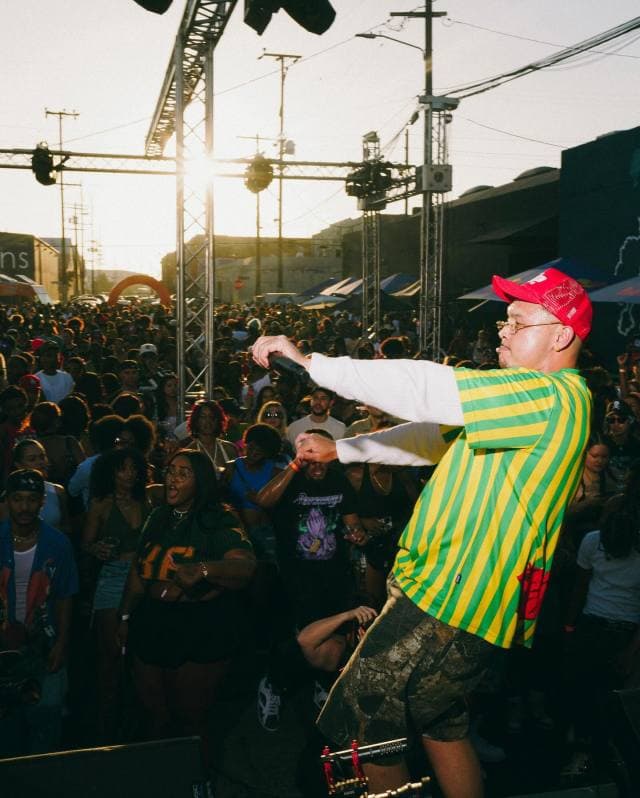
Most artists (or their managers) get hit with vague requests all the time. If you want a response, be clear and compelling. A great message includes:
If you’re tight on budget, be transparent—but offer value in other ways: high-quality content, cool collaborators, or exposure to a new market. Don’t promise “exposure” without delivering something real.
Pro tip: If you’re selling through Beatmatch, you can tag your lineup in the event page to give artists visibility and clout with your audience.
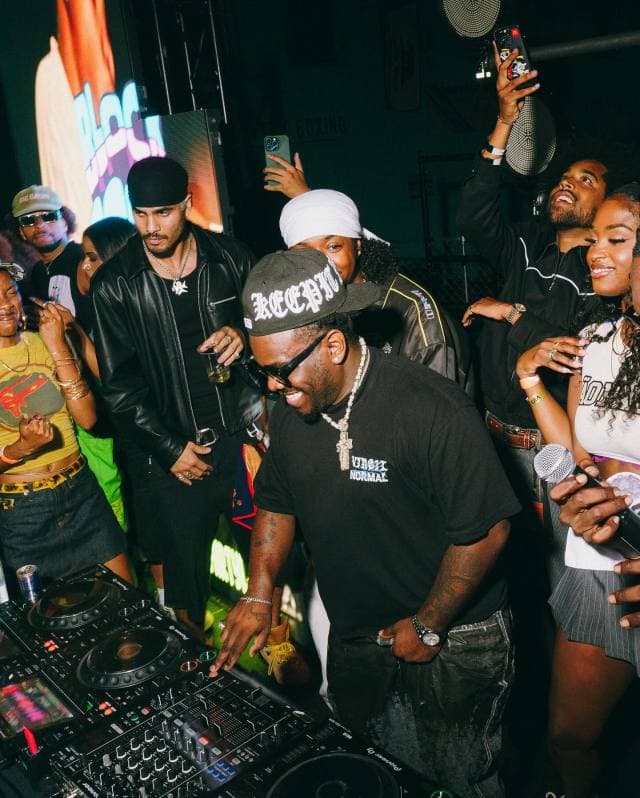
Artist rates vary wildly depending on their following, availability, and demand. Some might charge $500. Others won’t look at anything under $5K. The key is to be honest about what you can afford—and to treat every artist like a professional.
If your event has ticket sales, consider a split or door deal. If you’re not offering cash, you must offer clarity. Will you cover travel? Food? Content? Merch sales?
A signed agreement (even a simple one) can protect both sides. And remember: “free” artists are never truly free. Respect their time.
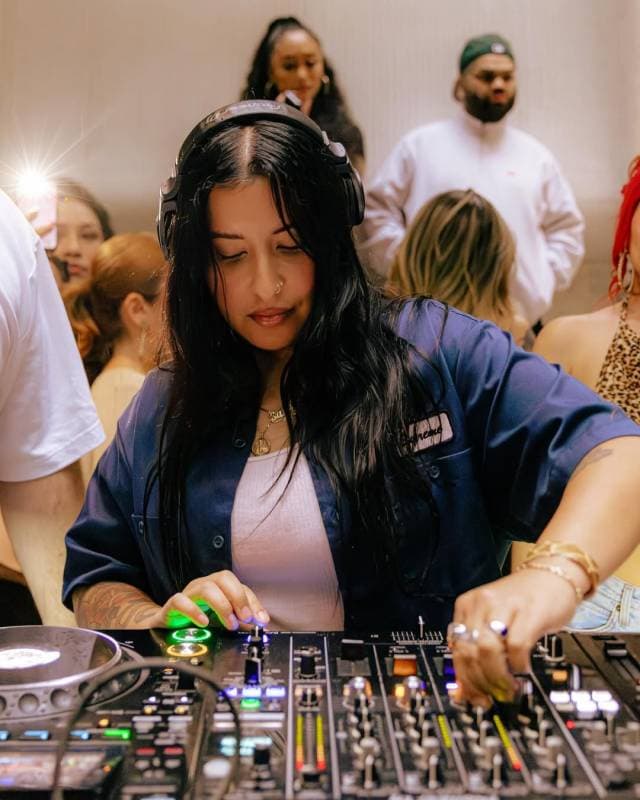
Once they’re in, lock in the logistics—load-in time, sound check, set length, equipment needs, hospitality, etc. The smoother you make their experience, the more likely they are to play hard and want to work with you again.
If you’re working with multiple performers, build a clear set schedule and share it with everyone involved. Artists hate uncertainty almost as much as they hate bad monitors.
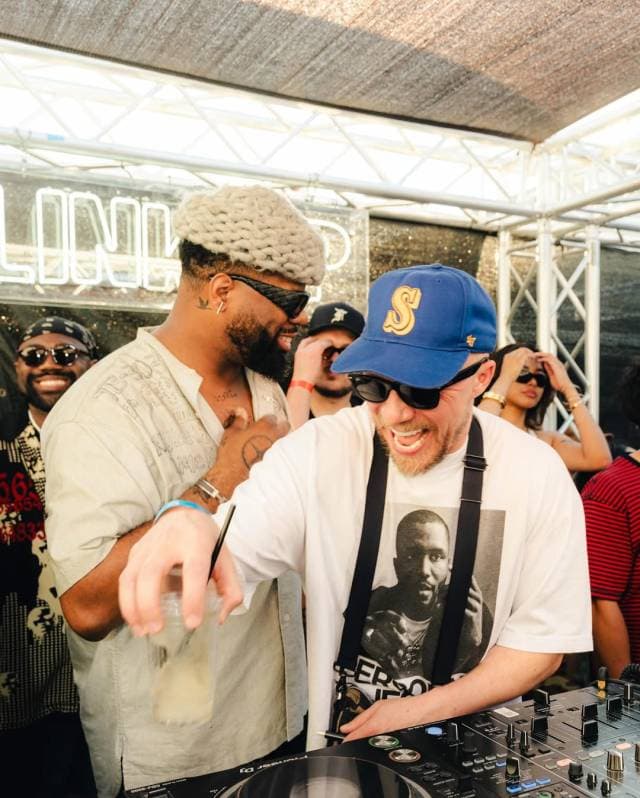
Having a hot artist on the lineup helps, but your promotion strategy still needs to do heavy lifting. Create assets featuring the artist’s name and face. Use their music in your teasers. Encourage them to share—but don’t expect them to carry the whole thing.
Remember: you’re not just booking an artist, you’re booking a vibe. The brand you build as an event organizer will keep people coming back—regardless of who’s playing.
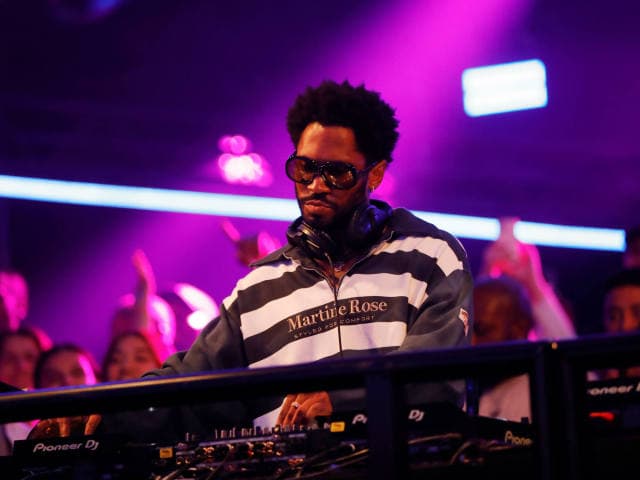
Some of the most legendary event collectives in the game didn’t start with money or industry connects. They built communities by treating artists with respect, curating with care, and delivering nights people wanted to be part of.
That same artist you booked for $300 today might be selling out venues in a year. And they’ll remember who gave them a shot.
In this game, relationships are currency. Talent is everywhere. But trust? That’s what lasts.
Want to book talent and grow your own event brand?
Beatmatch helps independent organizers find artists, sell tickets, and build a following—without playing industry games.
Because booking artists shouldn’t be gatekept. It should be a gateway.