Why Gen Z Is Redefining Nightlife: 11AM is the new 1AM......
Posted 10 months ago

Posted 10 months ago
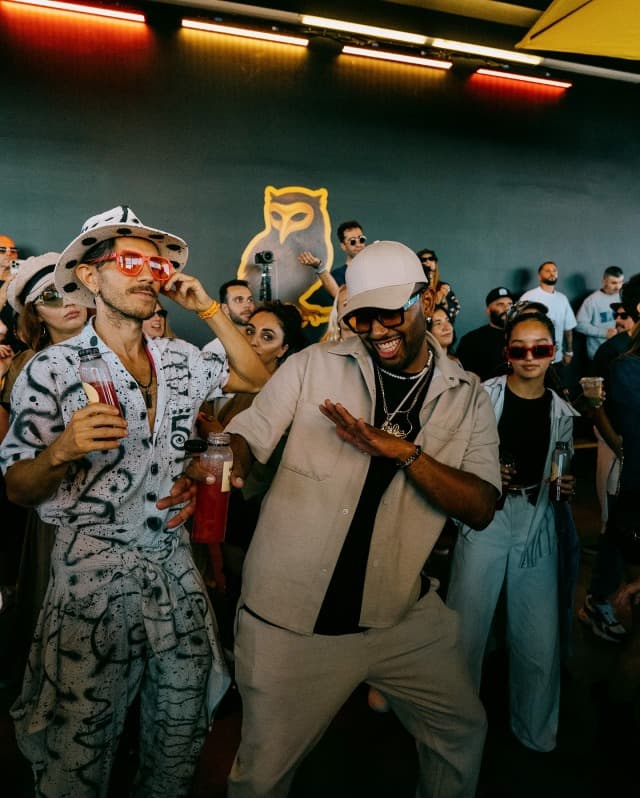
From sunrise raves to sober dance floors—how the newest generation is rewriting the night out.
They say nightlife will never be the same—and with good reason. The generation born roughly from 1997 to 2012—known as Generation Z—is doing what every youth group before them did: flip the script. But this time around, they’re not just tweaking the mission; they’re rewriting it.
So how exactly is Gen Z redefining nightlife? And what does that mean for venues, event organizers, and night‑life veterans? Let’s dive in.
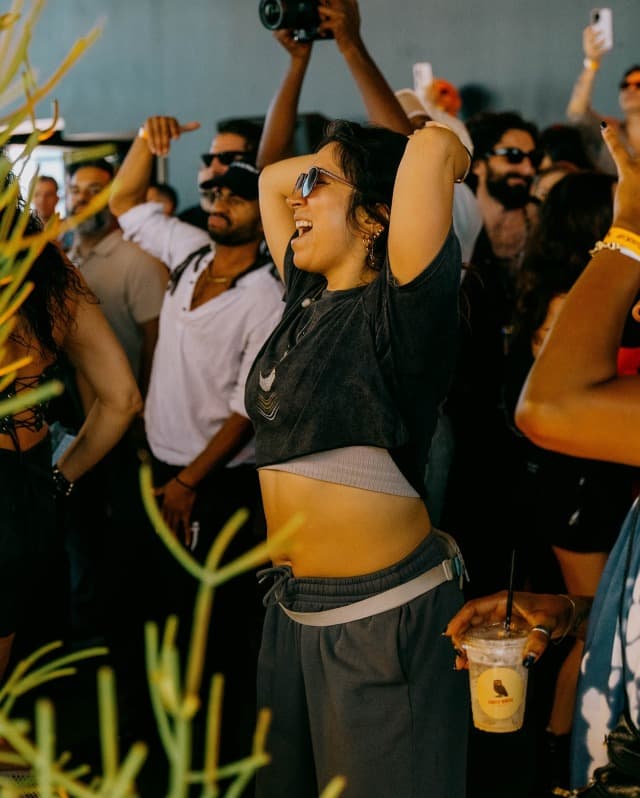
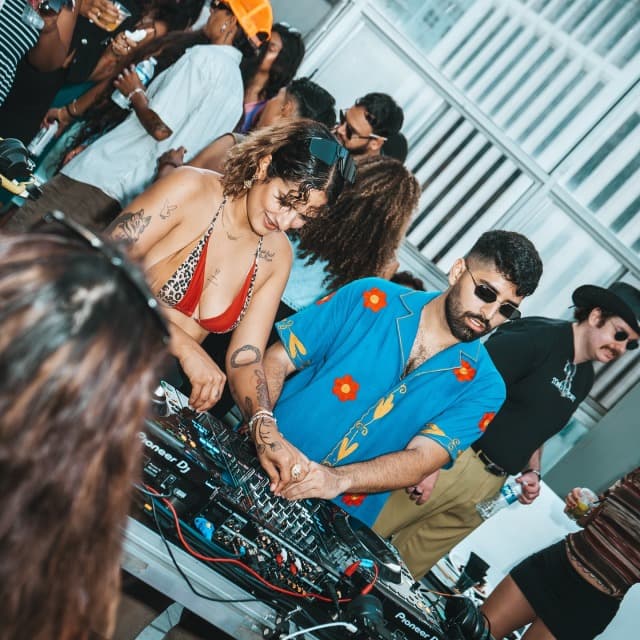
Gen Z isn’t waiting until 11 p.m. to show up—it’s trending toward daytime, low‑buzz events. Known as “soft clubbing,” this culture swaps heavy drinking and late‑night hours for high‑energy, low‑alcohol gatherings that still deliver connection and dance.
Events like coffee‑shop raves or high‑vibe afternoon sets are popping up across cities. In fact, one report noted a 478 % increase in coffee clubbing events, and a 20 % rise in morning dance parties. What once required a dark club and blackout lights now happens with lattes, light outfits, and a crowd ready to move without the hang‑over.
For you as an organizer, that means: think earlier start times, think venues with natural light, think non‑alcohol‑first offerings. Because Gen Z might skip bottle service—but they still love the beat.
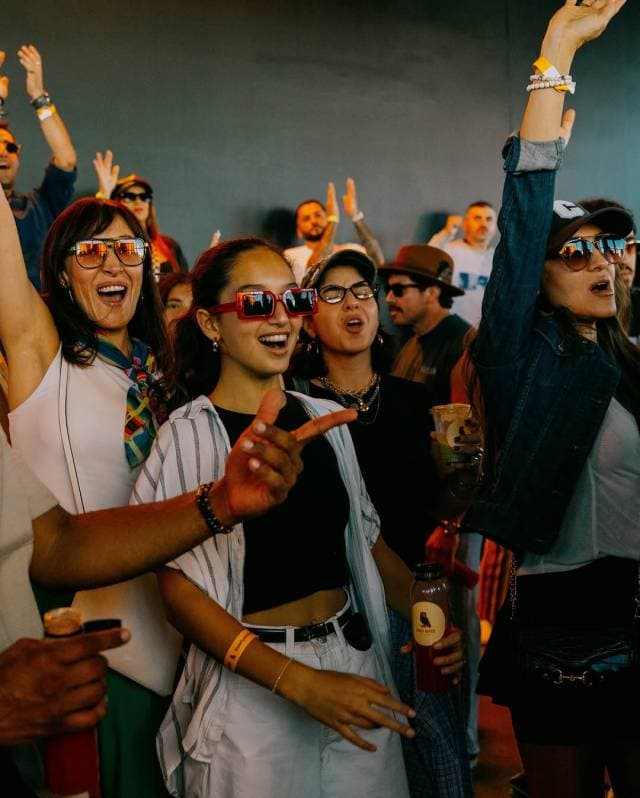
Where previous generations may have measured a “good night out” by how many drinks were had or how late one stayed up, Gen Z is doing something different: seeking meaningful moments. They want a dance floor that feels curated, a connection that feels intentional, and a memory that doesn’t require rewinding.
Studies show Gen Z drinks less and opts out of alcohol‑centric socializing. For event makers, this means the ambience, the community, and the storytelling matter more than ever. The sound system, lighting, decor, Instagram‑moments—all become front‑and‑centre.

Gen Z grew up in an Instagram‑Reel‑TikTok world. Nightlife for them isn’t only about what happens in the venue—it’s about what happens online before, during, and after. The vibe extends to stories, shares, and threads.
One nightlife trends article points out that modern venues are investing in tech and design so every corner of the club can be a viral moment. That means murals for selfies, immersive lighting, modular spaces that change theme mid‑set, and a seamless digital experience from ticket drop to exit.
For Beatmatch organizers, this means: capture‑worthy visuals aren’t optional—they’re essential. Think photo zones, dynamic lighting, social‑first triggers.
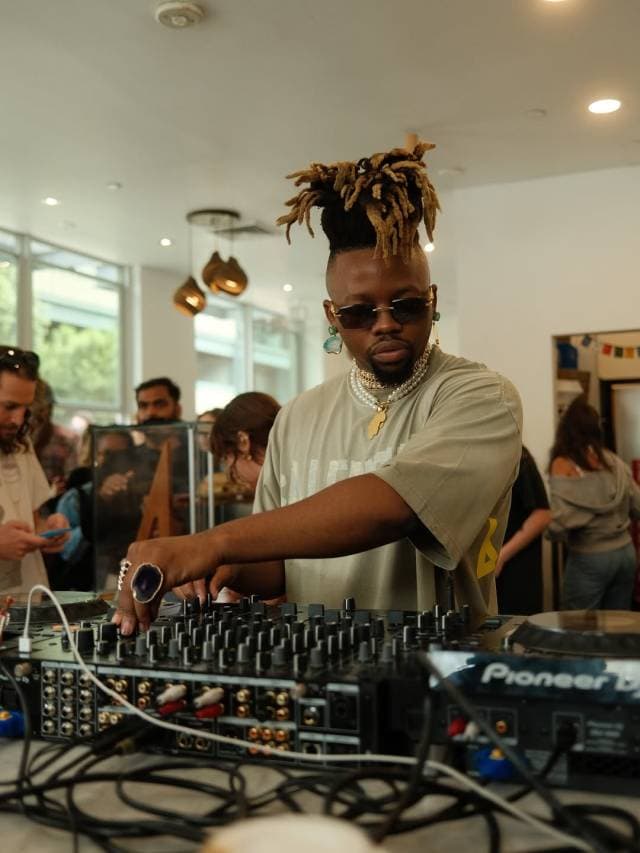
Gen Z doesn’t just go out. They join in. They’re more likely to show up when they feel the event was made for them, or when they had a hand in shaping it. That might mean choosing a playlist ahead of time, or turning up because the invite came via a group chat rather than a billboard.
The best nights now are co‑created—curated by collectives, shared via apps, routed via peer groups. Nightlife organizers who partner with communities, involve attendees in the build‑up, and lean into authenticity win traction with this audience.
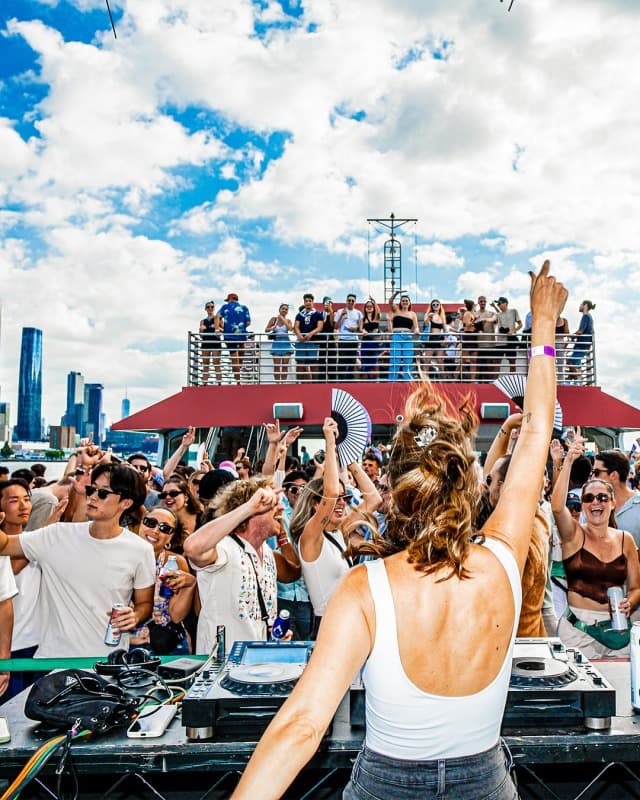
Behind the late‑night playlists and dance floors is Gen Z’s desire for control—over time, space, experience. They value feeling safe, being comfortable, and knowing the night isn’t going to wreck their next day.
That means well‑lit entry lobbies, transparent pricing, sober‑friendly options, flexible exit times, and mobile‑first discoveries (hello Beatmatch). “Going out” for them often means arriving early, leaving on their own terms, maybe hitting a low‑key after rather than pushing until dawn.
If you’re organizing events, promoting venues, or just going out, the message is clear: Gen Z isn’t abandoning nightlife—they’re just owning it on their terms. They’ll still show up, they’ll still dance, they’ll still swipe up for tickets. But they’ll show up on time, log off earlier, and share every second.
For the Beatmatch community, the opportunity is enormous. Create experiences for the listeners, for the culture, for the story. When Gen Z shows up, they bring curiosity, authenticity, and momentum. And you’ll want to be part of that.